
I’ve spent the past decade researching what helps neurodivergent children thrive. I’ve written two books on the subject and have interviewed dozens of neurodivergent adults about what made the biggest difference to them growing up. And as someone who is AuDHD myself, and mum to two AuDHD boys, this isn’t just professional – it’s personal.
At its heart, raising happy neurodivergent children is about connection: listening deeply, validating feelings, helping our kids balance their needs with other people’s expectations.
The following ideas explore how to nurture all of this and grow self-acceptance so our children grow up knowing they are valued, capable, and loved exactly as they are.
Validation and sitting in your child’s emotions
If there is one practical skill to master, it is validation. Validation simply means recognising, understanding and accepting your child’s feelings. In practice this means that when your child is upset, ignore the urge to fix the problem; instead spend time acknowledging how they feel. Psychiatrist Dr Helen Honey once described it to me as “magic”. She believes it’s impossible to over-validate, and suggests parents should “sit in their child’s misery” with them. Telling our kids and young adults that it’s okay to be sad. Only later, if they want help, can you offer ideas.
Proper validation means giving your full attention – step away from the dinner you’re cooking and find a quiet place to talk. It means listening without interrupting so your child doesn’t feel rushed. It means asking gentle questions like “Which bit was the most difficult?” or “How did that make you feel?”. Most important, it involves empathy: “I’d have found that annoying too”. Sitting with our children teaches them that their emotions are valid and that we and they can tolerate big feelings; it also allows them to become the problem‑solvers. As Dr Honey points out, jumping in too soon robs children of the chance to develop their own solutions.
What does neurodivergent happiness look like?
Happiness is not about having a child who is happy all the time – that is not realistic. But it does have everything to do with agency and self‑acceptance. It also helps to have a more flexible approach to society’s rules, particularly those that don’t work for neurodivergent people. I’ve learned to prioritise my relationship with my boys over compliance, for example. To notice when a rule itself – no running in the museum, say – is the problem rather than the child. In these circumstances you can explain why a rule exists but to say you agree it’s a silly rule, and find a compromise. Perhaps every 30 mins you can leave the museum to run about and re-enter, for example.
People can assume your child is naughty or that you need to be stricter – unless there is good reason I suggest you ignore them. Consider yourself the shield between your children and these pressures; when I refuse to apologise for their neurotype, my children learn not to either. Building a strong core belief that ADHD or autism is part of who they are – no better or worse than any other brain type – is essential.
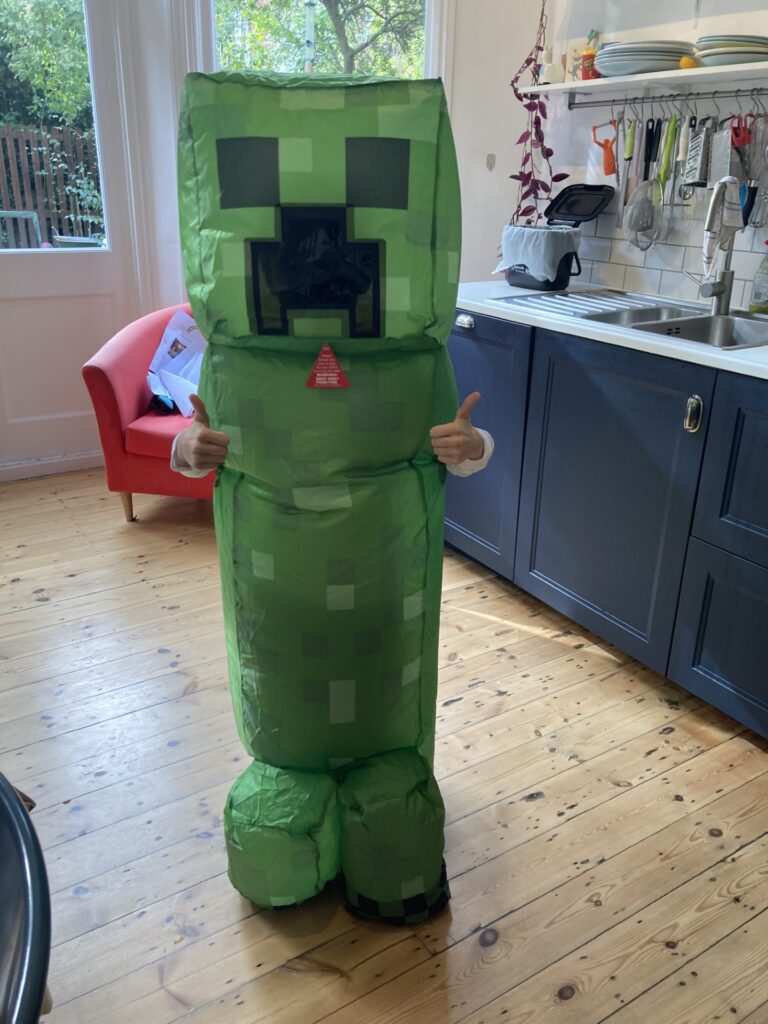
Hyperfocus, that intense state of concentration often described as ADHD magic, is also a powerful source of joy. When my boys plunge Minecraft builds or Roblox games for hours, it helps them regulate themselves as well as pursue their most ardent of passions.
Being your child’s biggest advocate
Some of the adults I interviewed for my ADHD book said the only way they got through school with some scraps of self-esteem intact was because they had parents who believed in them. When there is a problem, make it clear you are on your child’s team. The problem is the problem, it’s never your child.
How you get to know your child better
Love, the late psychotherapist Jasmine El‑Doori once told me, is making an effort to understand another person. We may spend a lot of time with our children… But do we really know what’s going on for them? Hidden disabilities like ADHD and autism, especially when our own brain type is different, require curiosity and research. For a long time I assumed my youngest was confident, when underneath he was anxious and dysregulated. I assumed I knew him as I was his mum, when I didn’t (well not thoroughly enough).
Getting to know your child means slowing down and observing. Notice what triggers meltdowns and what makes them relax. Ask them directly how a situation made them feel. Notice how hyperfocus shows up – the games, books or topics that absorb them. Understanding is iterative: as your child grows, so will your knowledge of their needs. Respecting and understanding our children’s challenges and strengths, and supporting them and developing the language to describe the former and come up with strategies for the latter, will strengthen your connection.
Benefits of a diagnosis in childhood
A diagnosis is not a label of limitation; it is a key to understanding yourself and support. Without one, children can internalise blame for difficulties that are not their fault. Delaying my youngest son’s diagnosis left him anxious, and it made us hesitant to push for support at school.
The more I learn about this world, the more I think identification (and the sooner the better) is vital for happiness. We must ignore some of the social shaming that is going on and the (false) declarations about autism and ADHD being overdiagnosed. The data tells a different story: many children who need support go unnoticed. Seeking a diagnosis isn’t indulging a trend – it is advocating for your child’s mental health and happiness.
Raising neurodivergent kids isn’t easy. There will be endless lost school bags, judgement from strangers and even friends or family. Plenty of moments when the world seems too loud or too fast. Yet by validating our children, reframing happiness, becoming their fiercest advocates, committing to truly know them and embracing diagnosis as a tool, we give them the best chance of flourishing.
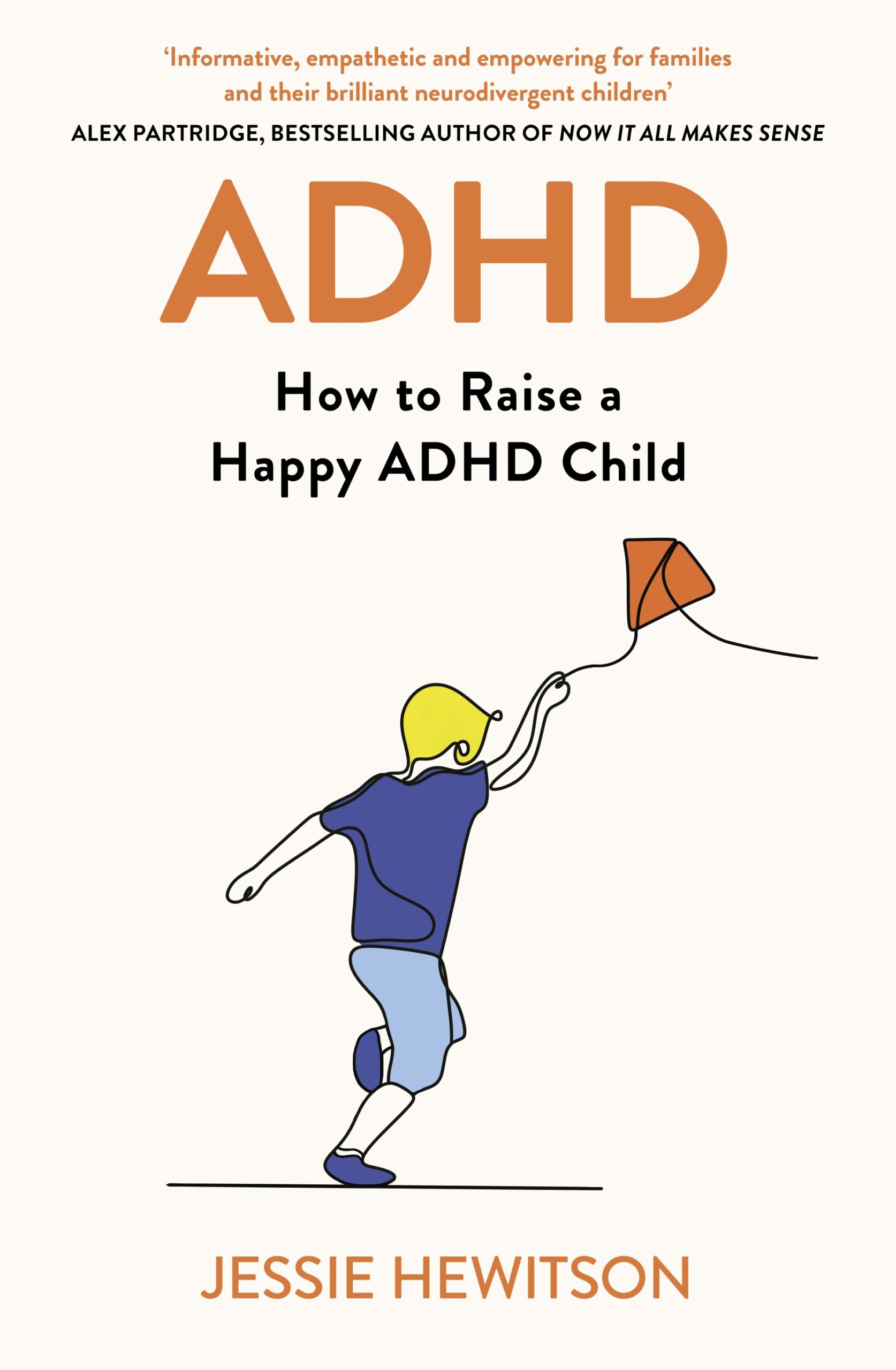
Jessie Hewitson is the author of ADHD, How to Raise a Happy ADHD Child, and Autism, How to Raise a Happy Autistic Child.